Sweet Codey

Make your next career move into AI.

Move towards AI engineering, lead AI products, or bring AI into the software you already build.

Learn how AI systems work and the decisions behind them. We make the difficult concepts clear, starting from the basics.

With Rohit Jain & Suresh Gandhi
Explore all topics in the curriculum below.

Drag to rotate. Use the arrow keys to rotate with a keyboard. Press Enter to select the nearest topic. Browse the curriculum below for the full list of topics and lessons.

AI engineer

Understand the architecture behind LLM applications, from retrieval and tool use to agents and evaluation.

AI product manager

Know what an AI feature needs to work, where it can fail, and what to ask your engineering team.

Technical lead

Compare AI approaches and explain the tradeoffs behind your team’s decisions.

Your first tech role

Build an AI foundation you can bring to your projects and technical conversations.

30,000+

Learners across our courses

From the creators of
System Design Masterclass.

A look at what
you’ll learn.

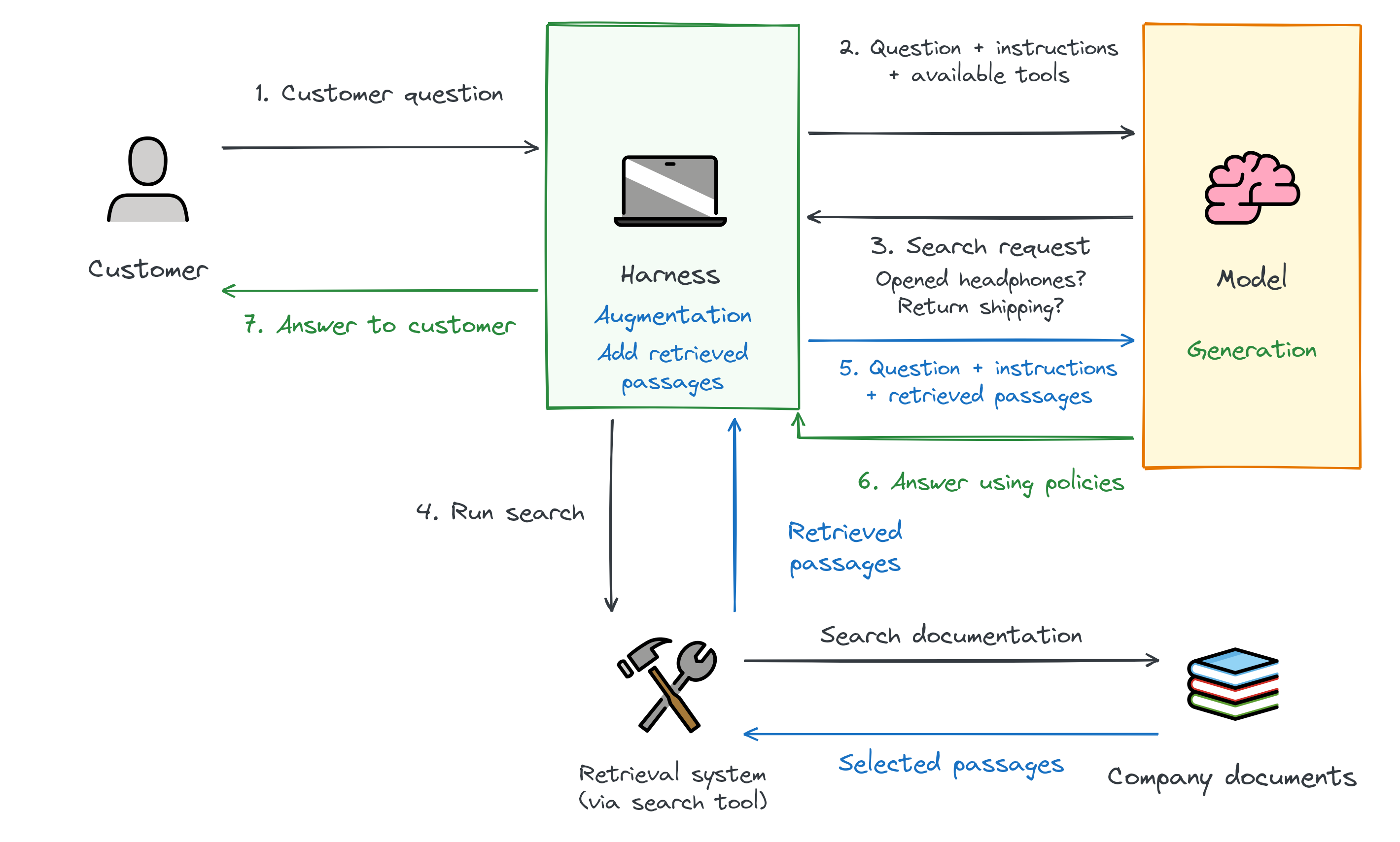
Connect your documents to the model’s answer.

Retrieval-augmented generation

Connect your documents to the model’s answer.

Your course curriculum.

From the foundations to the decisions behind AI systems.

44 written lessonsNew lessons in development
How machines learn5 lessons
Training and inferenceSupervised learningUnsupervised learningReinforcement learningGeneralizationTraining dataTest sets
  1. To Learn, or to Be Told?
  2. From examples to predictions
  3. More to Learn, or More of the Same?
  4. Same Rules. Better Moves.
  5. Pattern check: How machines learn
LLMs & AI foundations10 lessons
Tokens and tokenizationEmbeddingsNext-token predictionTemperatureTop-k and top-pAttentionContext windowsHarnessesTool callingMCPRAGAgentsSkillsMemory
  1. What is AI Engineering?
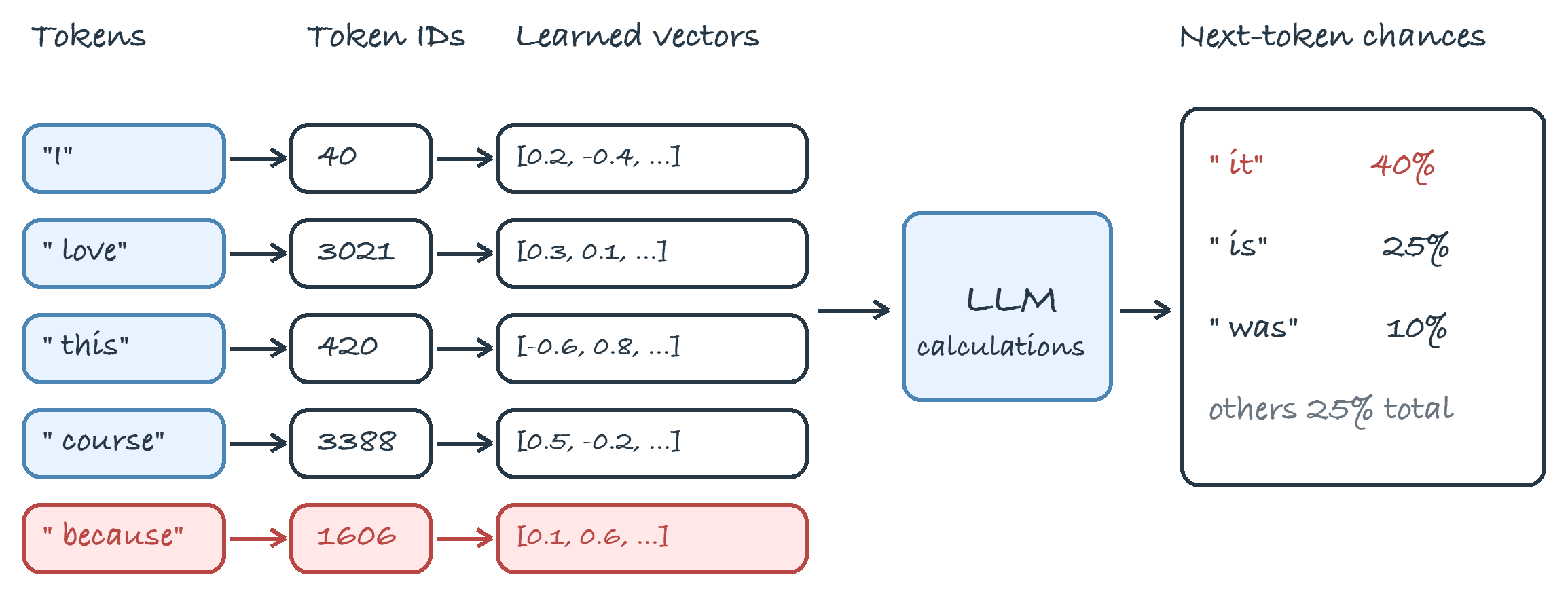
  2. How does an LLM generate text?
  3. How does an LLM choose the next token?
  4. What is context, and how much can an LLM read?
  5. What is a harness?
  6. What is a tool call?
  7. What is MCP?
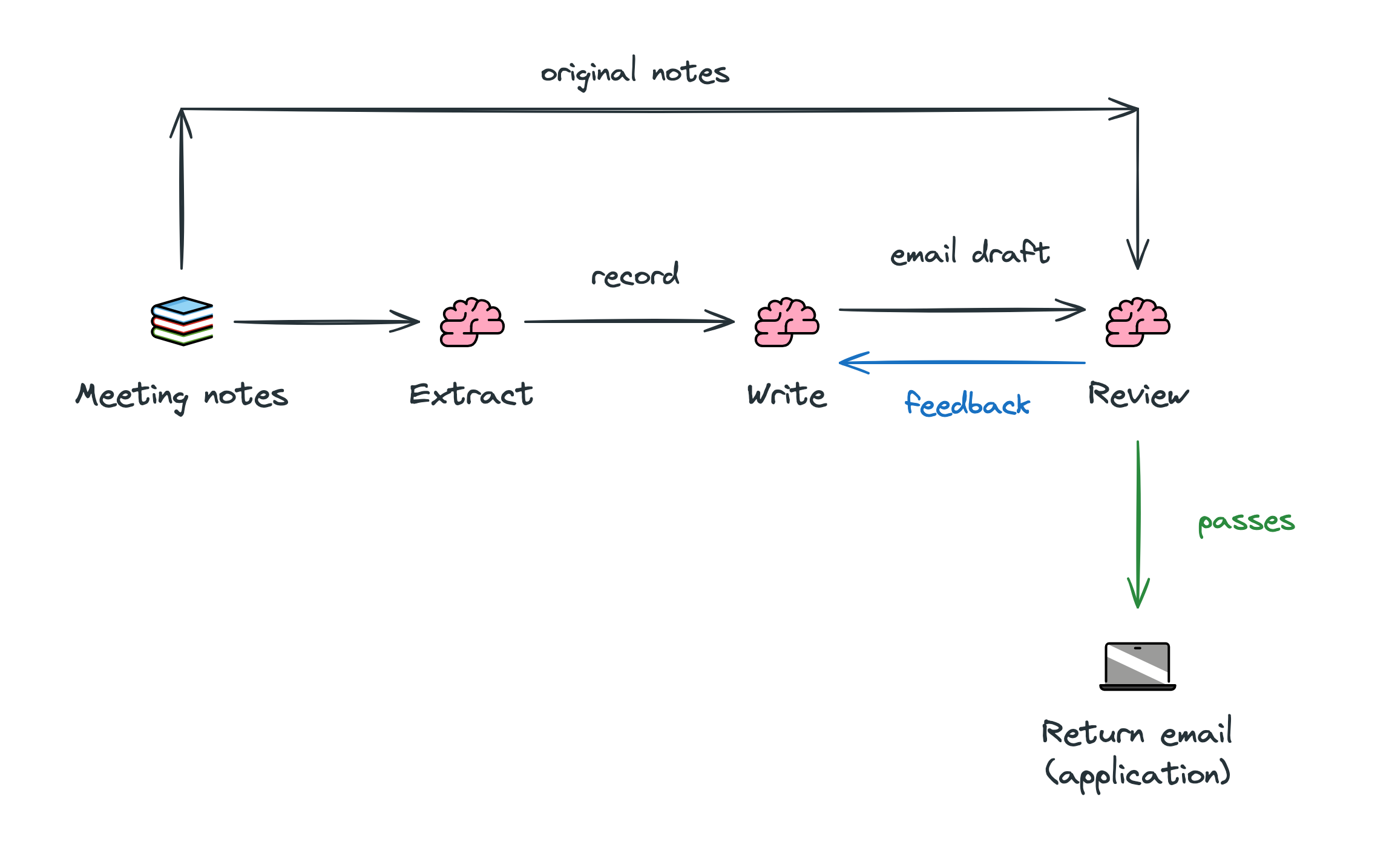
  8. What is RAG?
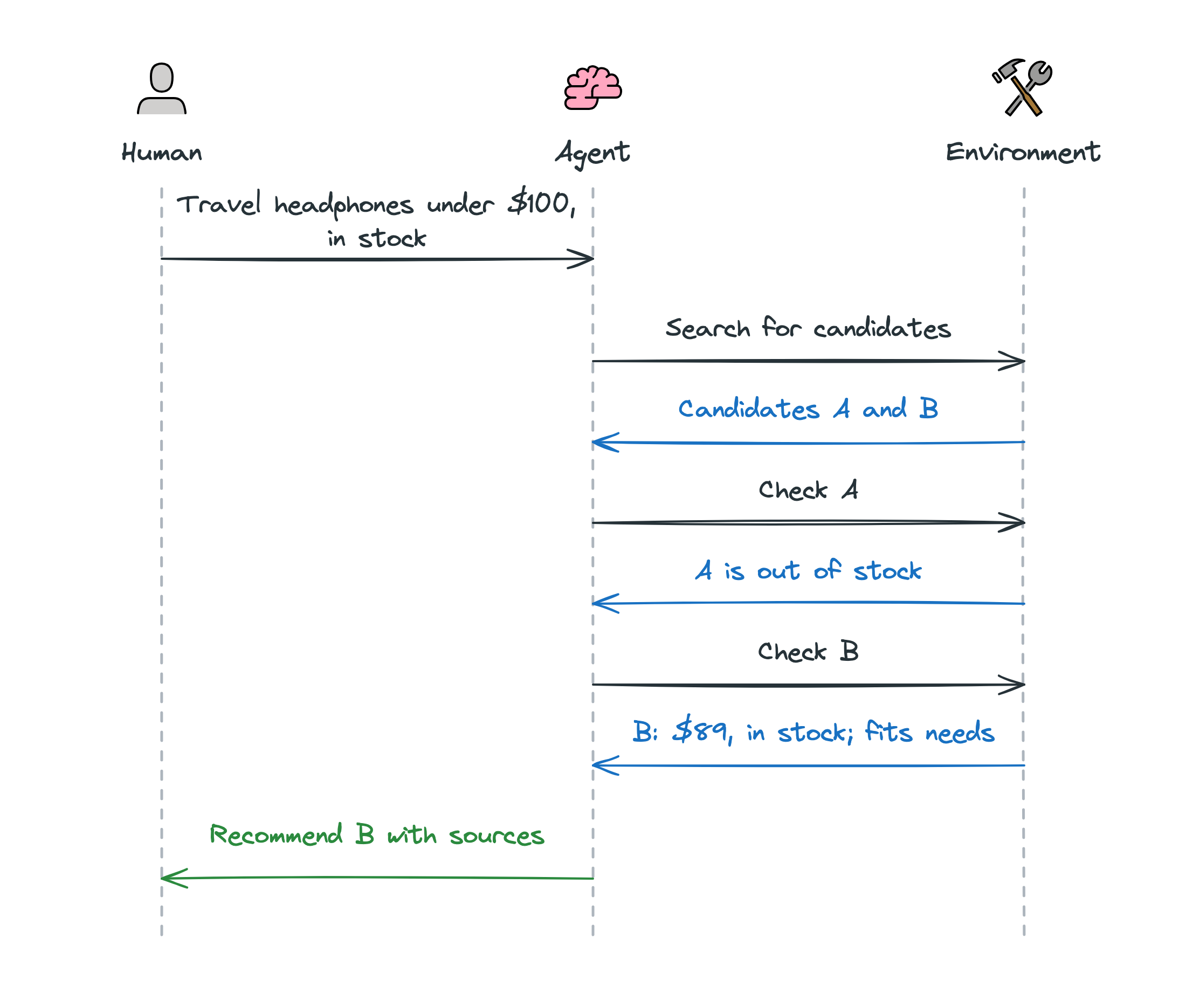
  9. What is an AI agent?
  10. Skills vs MCP vs RAG vs memory

In development

  • AI Engineer, ML Engineer and ML Researcher
  • Why learn AI engineering?
  • Pre-training and post-training
  • Self-supervised learning
  • Agent long-term memory
Prompt engineering4 lessons
TaskRoleContextAudienceConstraintsOutput formatInstruction followingPrompt evaluationPrompt Lab demo
  1. Defining the task in a prompt
  2. What does a good prompt look like?
  3. What is prompt engineering?
  4. Will AI follow every rule in a large prompt?

In development

  • Giving the model a role
  • Providing context
  • Specifying the audience
  • Setting constraints
  • Defining the output format
  • Using prompts with , and
  • Improving and evaluating prompts
  • Comparing and testing prompts with tools
  • Zero-shot, one-shot and few-shot examples
  • Prompt organization
  • Meta prompting
Retrieval-augmented generation4 lessons
RAGKeyword searchTF-IDFBM25Semantic searchEmbeddingsEuclidean distanceCosine similarityDot productContrastive training
  1. TF-IDF: A Type of Keyword Search in RAG
  2. BM25: More Careful Keyword Search in RAG
  3. Semantic Search: Finding Related Meaning in RAG
  4. Contrastive Training: Teaching a Meaning Map
Vector databases & search5 lessons
Vector storageExact searchApproximate nearest neighboursNSWHNSWIndex constructionSearch breadthRecall@kMetadata filteringHybrid search
  1. A Home for Vectors
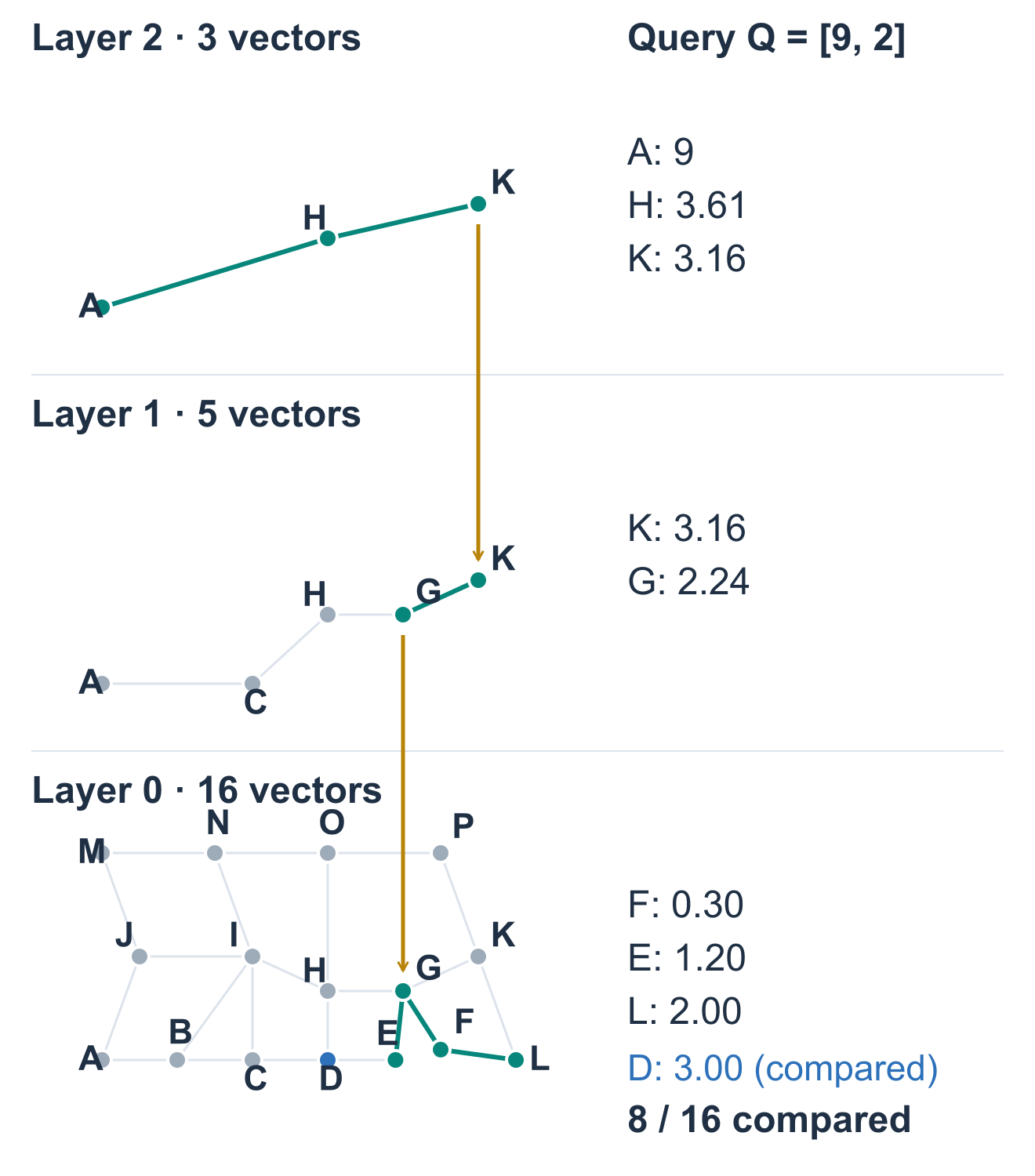
  2. Must We Check Every Vector?
  3. Big Jumps, Small Steps
  4. Build the Roads Before the Search
  5. Fast Is Not the Same as Useful

In development

  • Chunking
  • Query parsing
  • Reranking
Agents, workflows & memory5 lessons
Agent loopTask decompositionPrompt chainingRoutingParallelizationOrchestrator-workersEvaluator-optimizerMemory typesMemory storageRetrieval and forgetting
  1. AI agents: a quick refresher
  2. Why even use an agentic workflow?
  3. How to decompose tasks in an agentic workflow
  4. How do AI agents remember things?
  5. Agentic workflows and patterns

In development

  • Permissions and approvals
  • Prompt injection
Evaluation & reliability4 lessons
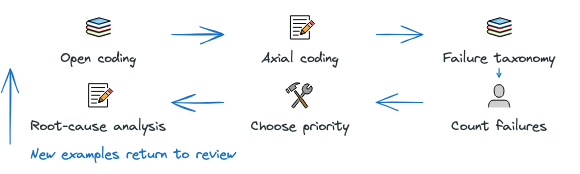
TracesError analysisOpen codingAxial codingFailure taxonomyRoot-cause analysisCode checksLLM judgesHuman labelsCalibrationRegressionsCommon evaluation mistakes
  1. Why do agents need evals?
  2. Discover failures before deciding what to measure
  3. Turn important failures into trustworthy evaluators
  4. Seven Common AI Eval Mistakes
Model customization7 lessons
Pre-trainingFine-tuningSFTRLHFReward modelsDPODistillationSoft targetsQuantizationGPTQAWQGGUF
  1. Fine-tuning
  2. Types of fine-tuning and how to choose one
  3. Supervised fine-tuning
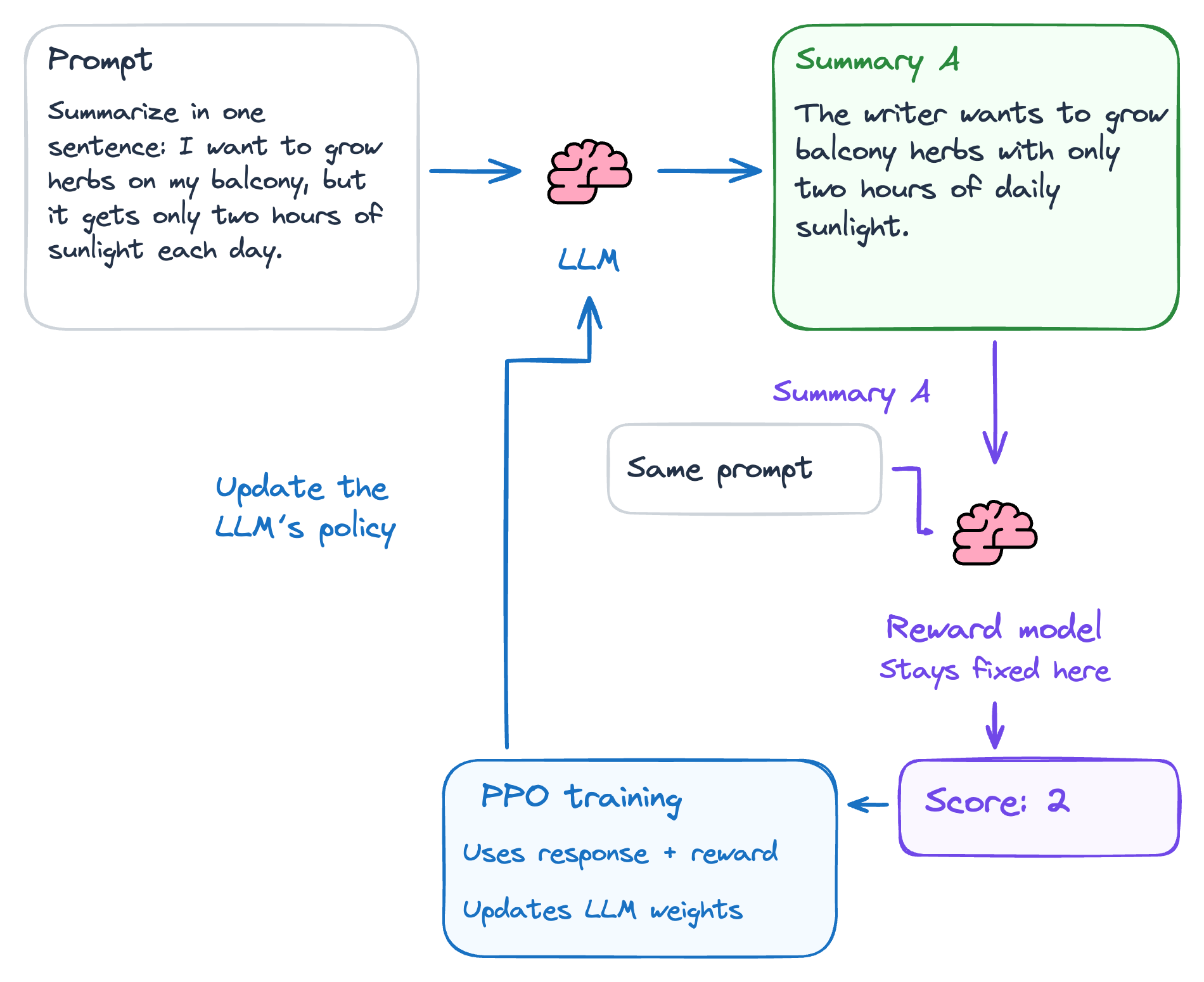
  4. Reinforcement learning from human feedback (RLHF)
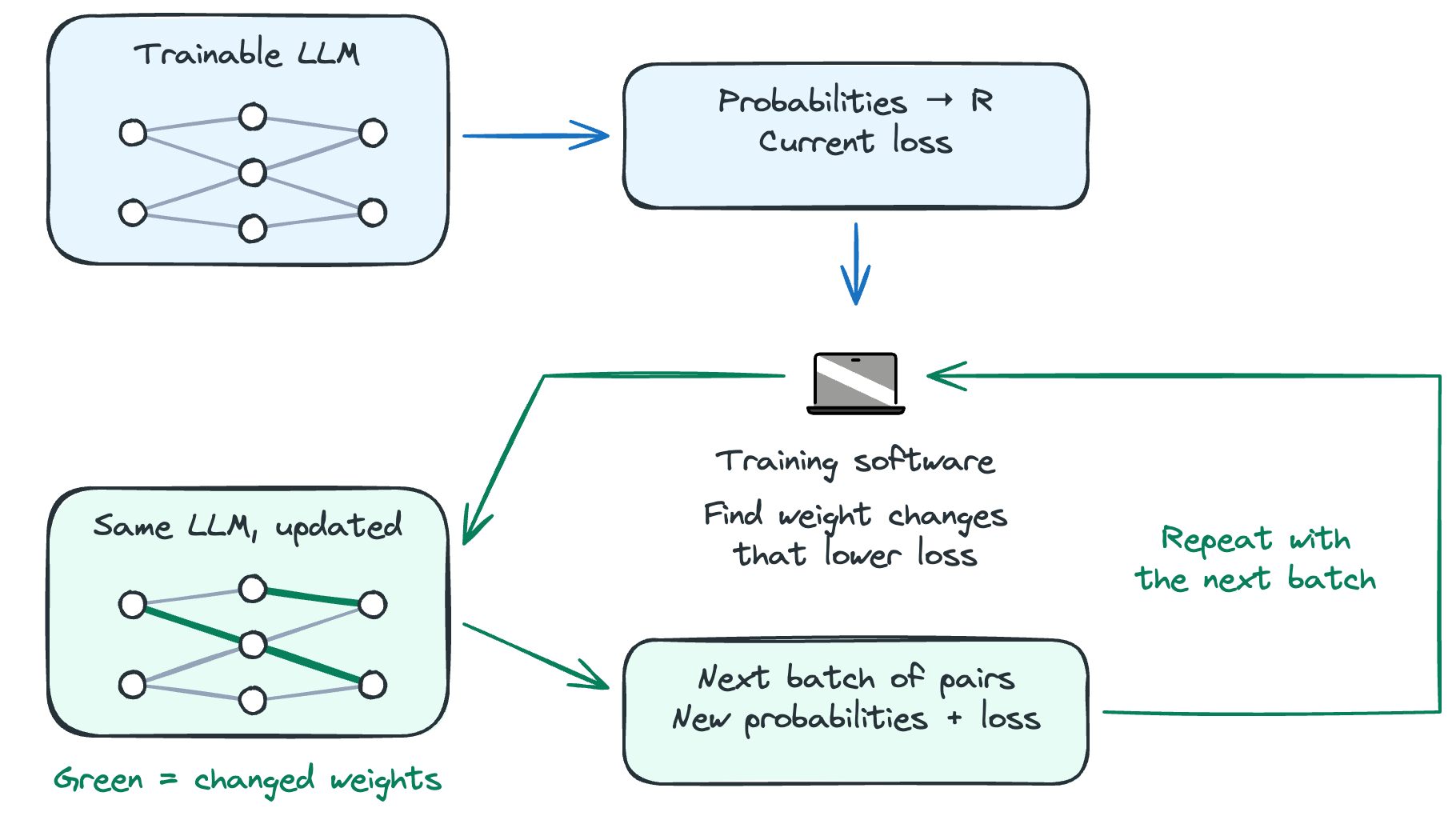
  5. Direct Preference Optimization (DPO)
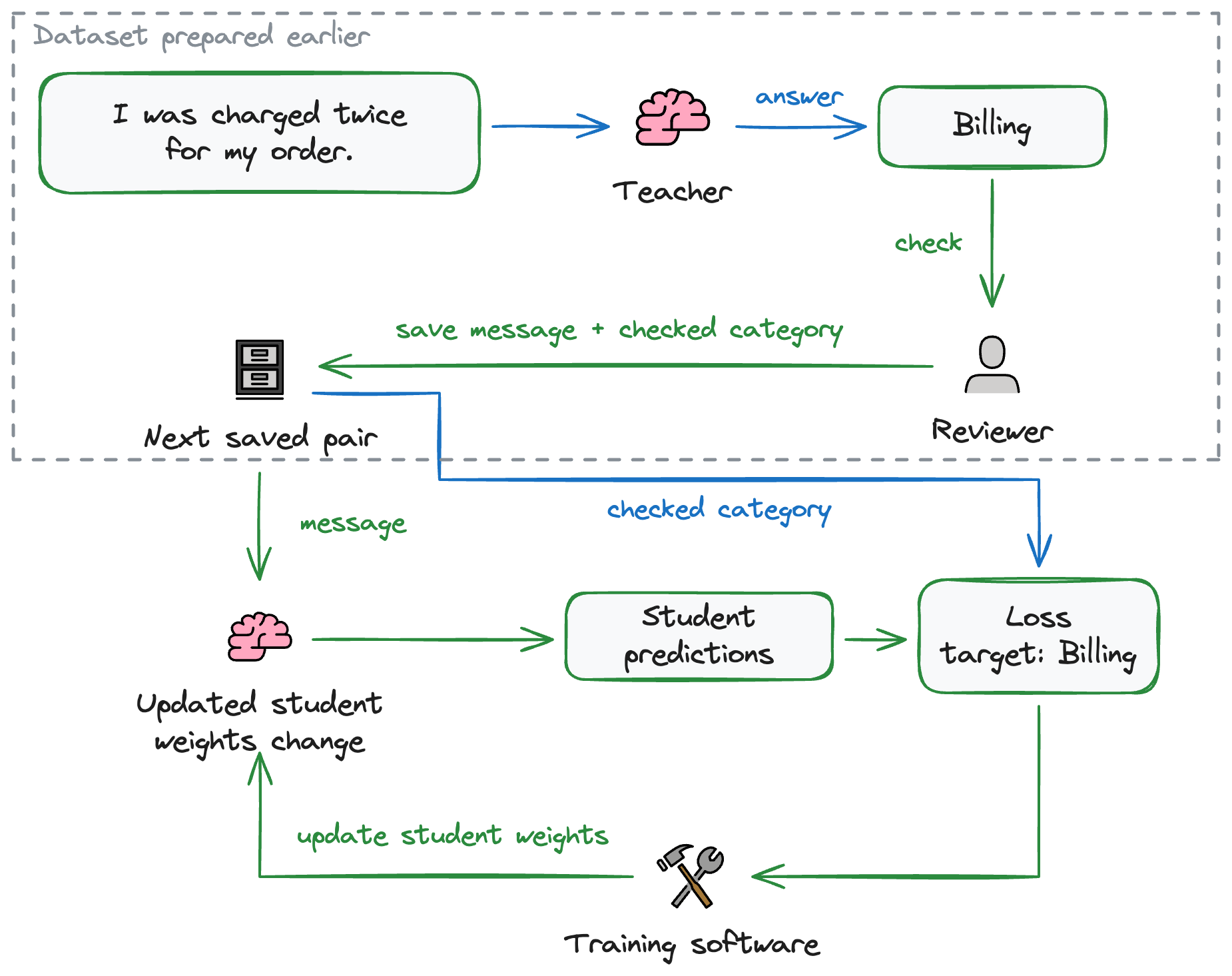
  6. Distillation: learning from a stronger model
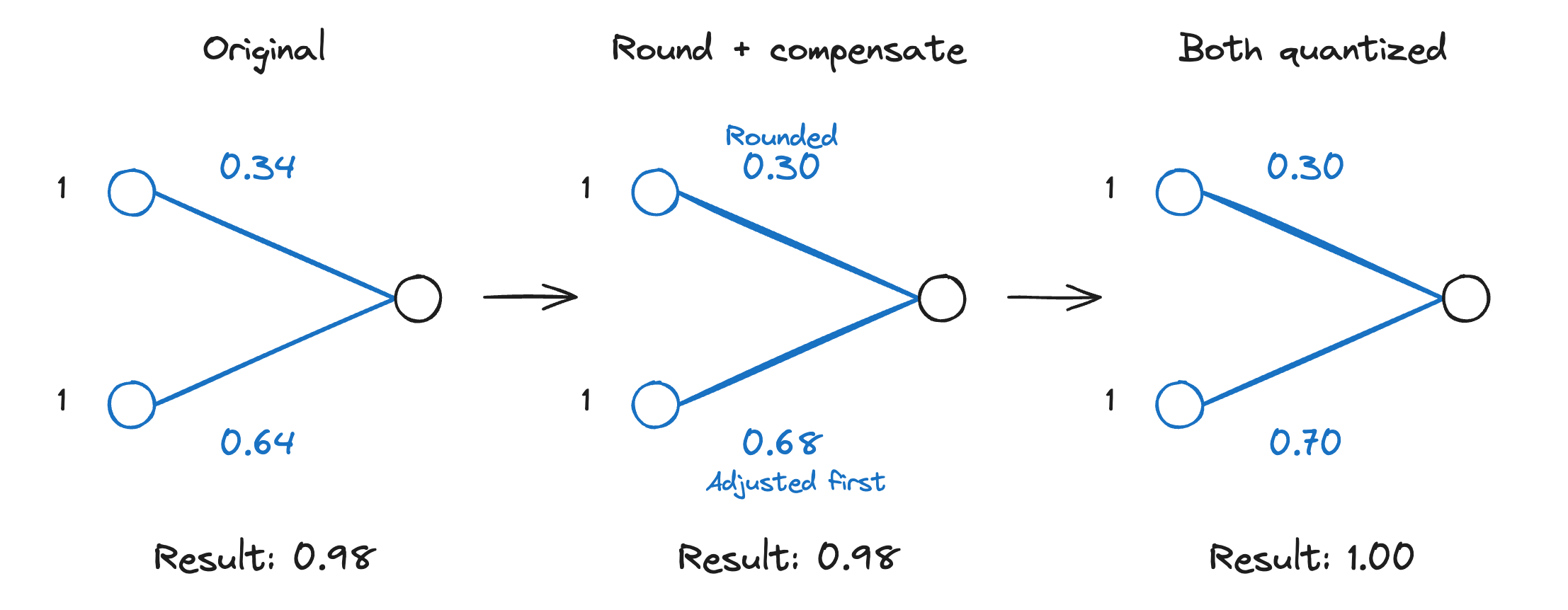
  7. LLM quantization: storing the same model with fewer bits

In development

  • PEFT
  • LoRA and QLoRA
  • RAG vs. fine-tuning
Context engineeringComing next
Working contextStored stateHistory trimmingCompactionStructured summariesTool discoveryTool-result filteringExternal artifactsMemory retrievalSub-agent contextContext evaluationPrompt caching

In development

  • Why a good prompt needs the right context
  • Stored state and working context
  • Trimming conversation history
  • Compacting earlier work
  • Deciding what a summary must preserve
  • Loading tools when needed
  • Controlling tool results
  • Keeping large files outside context
  • Retrieving memory for a later task
  • Isolating a sub-agent’s context
  • Evaluating context policies
  • Prompt caching
MCP & skills in practiceComing next
MCP clients and serversTool discoveryAuthenticationAuthorizationSkill authoringProgressive disclosure

In development

  • MCP server and client in practice
  • Authentication vs. authorization
  • Building an MCP server
  • Skill authoring
  • Progressive disclosure
TransformersIn development
Transformer architectureAttention

In development

  • Transformers

Your instructors.

Rohit Jain

Rohit Jain

Software engineer & technical educator

43.1K followers on

Experience
Teaching
System Design Masterclass
View LinkedIn profile
Suresh Gandhi

Suresh Gandhi

Software engineer & technical educator

33.4K followers on

Experience
Teaching
System design & dynamic programming
View LinkedIn profile

Be ready for the AI work you want to take on.

Your next project could involve an AI feature. Your next role could ask for a working understanding of LLMs. Start learning the concepts now, so you can take a more informed part in those opportunities.

Do I need an AI background?

No. A basic technical background is enough to start. We explain the AI concepts from the beginning, including the terms you’ll see throughout the course.

Will this help me move into an AI role?

It builds the understanding behind AI engineering and product work. You’ll also need practice applying what you learn. The current course explains the concepts through diagrams and worked examples; coding labs and implementation assignments are planned.

Will the course keep changing?

Yes. We update explanations and add lessons as the field develops. The curriculum distinguishes existing material from topics still being worked on.

AI Engineering

by Sweet Codey

  • 44 written lessons with diagrams and worked examples
  • LLMs, prompting, retrieval, agents, evaluation and model customization
  • New lessons and revisions as AI changes
  • Teaching from Rohit Jain & Suresh Gandhi
Explore the full curriculum

Enrollment opens soon

The course is in development. Coding labs and implementation assignments are planned.